
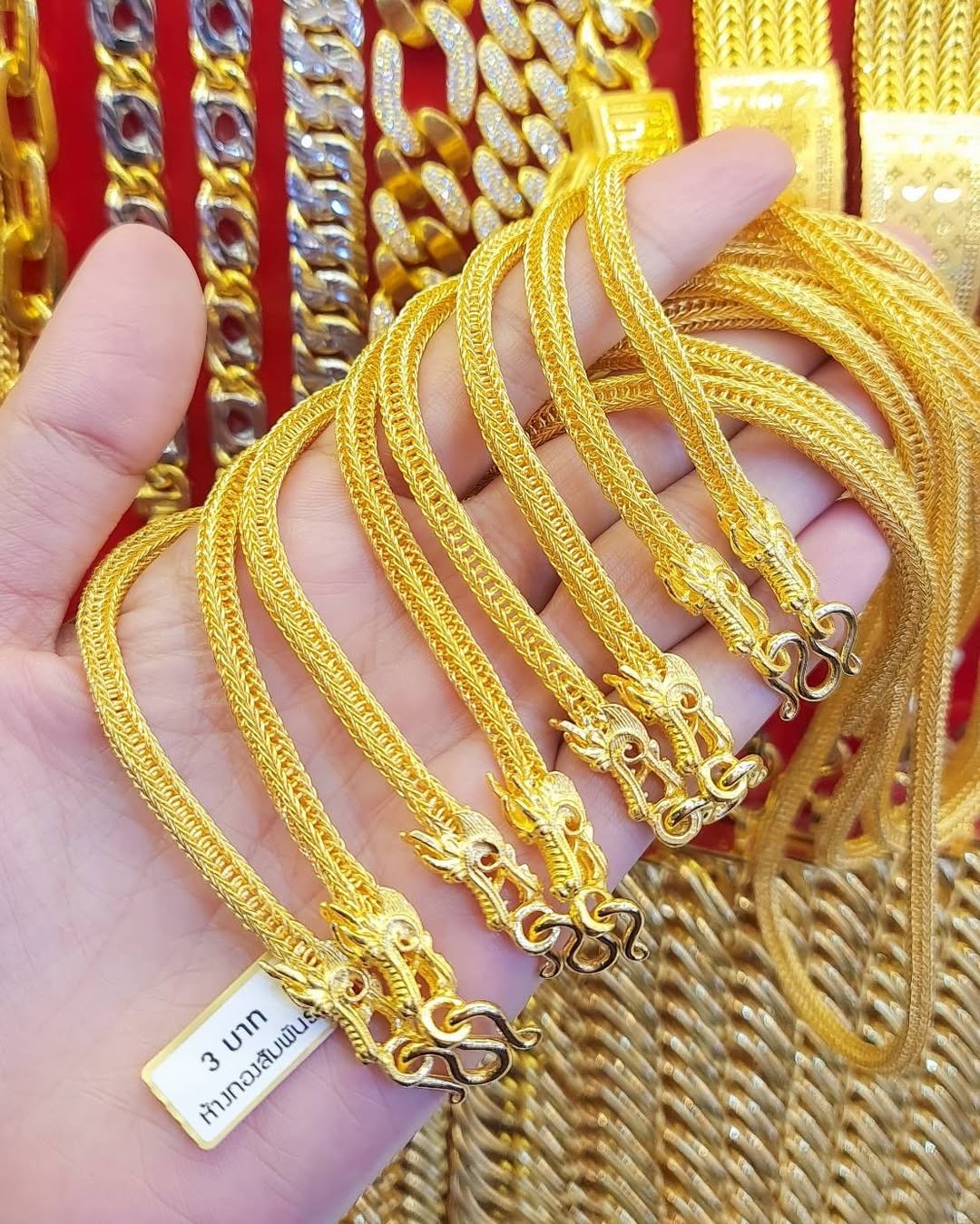
The world of high-purity gold is thrilling, but complex. Investing in 23K Gold Jewelry is a unique decision—it’s both an aesthetic statement and a highly tangible store of wealth. Because of its significant value, the stakes are high. Whether you are looking for a lifelong heirloom or making your first major purchase, a single mistake can cost you hundreds or even thousands of dollars. We have outlined the 7 most common and costly mistakes first-time buyers make when entering the market for high-purity gold jewelry. Follow this essential checklist to ensure your purchase is beautiful, authentic, and financially sound.
Mistake Category I: Authenticity and Pricing Errors
Mistake 1: Ignoring the Official Hallmarks and Purity Stamps
The most fundamental mistake a first-time buyer makes is purchasing high-purity gold jewelry solely based on its appearance. When you invest in a 23K Gold Bullion product or a piece of jewelry, you are buying certified weight and purity, not just a beautiful design. The single most important element of authenticity is the official hallmark. High-purity gold, particularly in the 96.5% standard (often used for 23K Gold Jewelry), must be stamped clearly.
These intricate markings serve as a legally binding guarantee of the metal’s composition. Failing to inspect this tiny stamp, which confirms the understanding 23K gold hallmark meaning, leaves you vulnerable to potential fraud. A genuine purchase should always show the purity level (e.g., 965 or 96.5%) alongside the manufacturer’s mark. Learning how to verify 23K gold authenticity starts and ends with this tiny engraving. Always demand to see these markings clearly before finalizing any transaction to ensure your asset is legitimate.
Mistake 2: Failing to Compare the Gold Premium (The Markup)
The price of any 23K Gold Jewelry piece is comprised of two main components: the intrinsic value of the gold itself (known as the melt value or spot price) and the premium. The premium is the markup charged by the seller, covering everything from design artistry and manufacturing labor to retail overhead.
A common error made by first-time buyers is focusing only on the spot price without analyzing the premium. For high-purity 23K Gold Bullion jewelry, this premium should be minimal compared to, say, highly detailed 14K jewelry, as the primary value lies in the gold content (96.5% purity). Before purchasing, you must learn calculating the premium on 23K gold by subtracting the melt value of the gold content from the asking price. A premium that feels excessive might be covering inflated marketing costs or simply overpricing. Ensure this step is a non-negotiable part of your personal 23K gold jewelry purchase checklist to guarantee you are paying a fair price for the true bullion content you receive.
Mistake Category II: Specifications and Durability
Mistake 3: Assuming All High-Purity Gold is the Same Karat
Many novice buyers believe that once they cross the 18K threshold, all gold is essentially the same. This is a critical misconception. Different markets define high purity differently (e.g., 22K, 91.6% purity vs. the 23K/96.5% standard). The purity differential is significant, affecting both the physical properties and the financial value of the piece. If you specifically intend to purchase a 23K piece, do not settle for 22K, as you lose a percentage of gold content and the associated resale value. Always confirm the exact purity percentage (96.5%) and demand written documentation. The term “high-purity” is often used loosely; your focus should be on the specific karat equivalent that guarantees maximum bullion value.
Mistake 4: Neglecting the Clasp and Joint Durability
The paradox of high-purity gold is its softness. This leads buyers to ask: Is 23K gold too soft for daily wear? While the body of a thick chain or ring is often durable enough, the weakest points of any jewelry piece are the clasps, hinges, and jump rings. A significant number of losses occur due to joint failure, not general wear. Failing to thoroughly inspect the craftsmanship of these areas is a major mistake. Look for heavy, solid clasps that provide secure closure and ensure the joints are meticulously soldered. If the connections look thin or flimsy, the piece is not structurally sound enough to safeguard your valuable high-purity investment. The highest value 23K Gold Jewelry must be paired with superior construction to prevent loss.
Mistake Category III: Financial Security and Guarantees
Mistake 5: Overlooking the Resale and Liquidity Factor
One of the greatest benefits of owning 23K gold is its superior liquidity compared to lower karats, but first-time buyers often overlook this. Lower karats (14K or 18K) are usually sold back at a heavily discounted rate because their value includes non-gold alloys and significant labor charges that are difficult to recover. Because 23K is close to pure bullion (96.5%), its value is directly tied to the daily spot price of gold. When you are ready to sell, most refiners and dealers will pay a much higher percentage of the spot price for 23K than they would for a 14K item. Failing to consider the ease of monetization—or the superior liquidity—of your 23K Gold Bullion jewelry means you are missing half the reason for making the high-purity purchase in the first place.
Mistake 6: Trusting Aesthetic Purity Over Documented Purity
One of the greatest benefits of owning 23K gold is its superior liquidity compared to lower karats, but first-time buyers often overlook this. Lower karats (14K or 18K) are usually sold back at a heavily discounted rate because their value includes non-gold alloys and significant labor charges that are difficult to recover. Because 23K is close to pure gold (96.5%), its value is directly tied to the daily spot price of gold. When you are ready to sell, most refiners and dealers will pay a much higher percentage of the spot price for 23K than they would for a 14K item. Failing to consider the ease of monetization—or the superior liquidity—of your 23K high-purity gold jewelry means you are missing half the reason for making the purchase in the first place.
Mistake 7: Not Asking About the Specific Gold Source and Guarantee
The final, often-forgotten mistake is failing to inquire about the seller’s specific commitment to the product. Buyers tend to forget that a high-value item requires a high-value promise. Ask the seller about the original source of the gold (responsible sourcing is key) and, most importantly, the warranty. Do they offer a lifetime guarantee of the purity? Will they buy back the gold at the daily spot price? Buying without a clear, written guarantee or a transparent chain of custody is a sign of unnecessary risk. Your 23K Gold Jewelry purchase checklist must include the question: “What specific lifetime purity guarantee do you provide?”
Conclusion: Your Final Step Towards Confidence
The journey into 23K Gold Jewelry ownership should be rewarding, not stressful. By understanding and actively avoiding these 7 costly mistakes, you transition from a novice buyer to a confident, informed investor. High-purity gold offers superior value, liquidity, and timeless beauty, but only if the purchase is executed correctly, supported by verified hallmarks and transparent pricing. Recognizing the common pitfalls associated with purchasing wearable wealth ensures that your piece remains a true asset for generations. Now that you know how to verify 23K gold authenticity and recognize all the common pitfalls, you are ready to make a secure and satisfying investment that appreciates over time.
Now that you have your 23K Gold Jewelry purchase checklist, you are ready to make a confident investment. Don’t let these common mistakes deter you—let them empower your first purchase.